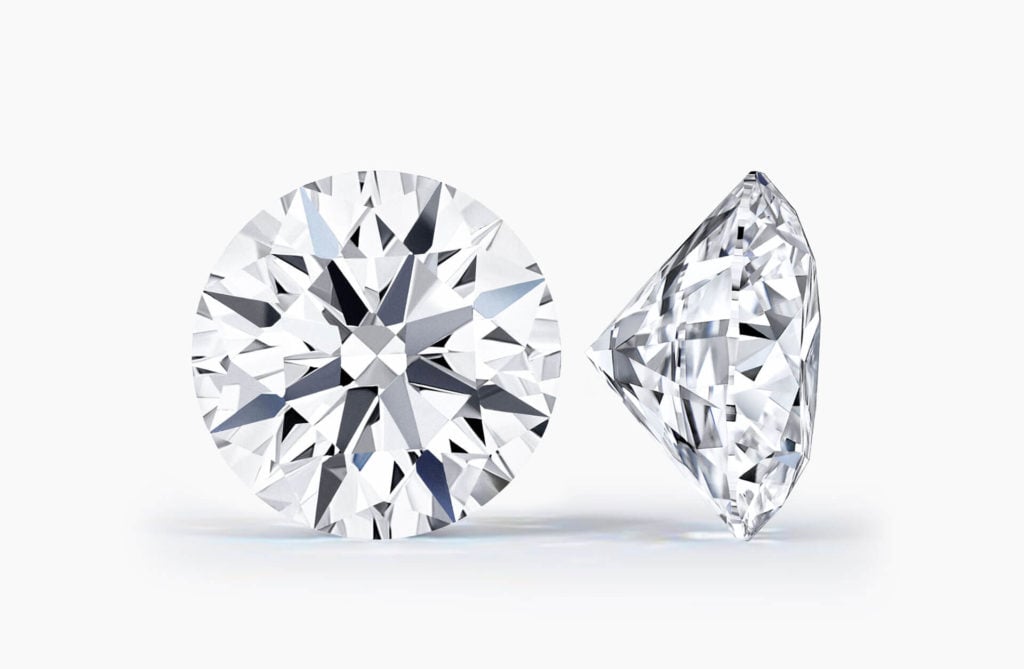

Platinum Rings Explained With Lab Diamond Insights
Diamonds are judged on facts not stories. Lab diamonds exist because technology now allows controlled crystal growth that mirrors natural formation. The result is a diamond with the same chemical structure hardness and optical behavior as a mined stone.
You are not choosing a substitute. You are choosing a different origin.
A lab grown diamond is created using heat and pressure or chemical vapor deposition. Both methods replicate conditions found deep in the earth. The finished stone is cut graded and set the same way as any other diamond.
If you care about performance and clarity origin matters less than outcome.
Table of Contents
What Actually Makes a Diamond a Diamond
A diamond is defined by its atomic structure. Carbon platinum rings atoms arranged in a tight lattice create extreme hardness and light refraction.
This structure does not change based on where the stone forms.
Here is what stays the same
- Hardness rating of 10 on the Mohs scale
- Ability to refract and reflect light
- Suitability for daily wear
- Standard grading by cut color clarity and carat
If you set one in a ring and wear it daily it performs the same.
How Lab Diamonds Are Graded
Grading follows the same global standards used for mined stones. Independent labs assess each stone and issue reports.
You should expect a grading report from a recognized authority. The report confirms measurements proportions and any inclusions.
Do not rely on seller descriptions alone. Ask for the report and read it.
Example
A round stone graded VS1 clarity and G color will show minimal inclusions and near colorless appearance regardless of origin.
Cost Structure and What You Are Paying For
Price differences exist for one reason. Supply control.
Mined diamonds include extraction logistics and limited access. Lab created stones remove those constraints. Production is scalable and predictable.
What you are not paying for
- Mining operations
- Transport from remote regions
- Artificial scarcity
What you are paying for is cut quality precision and time spent growing the crystal.
This matters if you want size and clarity without overpaying.
Durability in Daily Wear
Rings are exposed to impact pressure and abrasion. Diamonds are chosen because they resist these forces.
A lab grown stone handles daily wear without special care. The same rules apply
- Remove rings during heavy manual work
- Clean with mild soap and warm water
- Check settings annually
Durability comes from structure not source.
Pairing Stones With Ring Materials
Material choice affects how the stone looks and how the ring ages.
Platinum is dense and stable. It holds prongs securely and wears by displacement rather than loss. This makes it a strong match for diamonds used in daily rings.
When paired with lab diamonds the benefit is consistency. Both materials are chosen for performance and longevity.
Visual example
A high clarity round stone in a platinum setting shows less color reflection from the metal which keeps the stone looking neutral.
Ethics and Supply Transparency
Some buyers care deeply about sourcing. Others care about traceability.
Lab production offers full visibility. You know where the stone was made and under what conditions. There are no unknown intermediaries.
This clarity matters if you want certainty rather than assumptions.
Resale and Long Term Value
Resale value is often misunderstood. Most diamonds do not retain retail value regardless of origin.
What holds value is quality documentation and condition.
If resale matters to you focus on
- Excellent cut grades
- Conservative color ranges
- Standard shapes
Avoid novelty cuts and extreme sizes if liquidity is a concern.
Choosing the Right Stone for Your Use
Start with how you will wear it. Daily rings need balance not extremes.
Ask yourself
Will this ring be worn every day
Do I want visual size or subtlety
Is maintenance a concern
Then choose cut and size accordingly.
Lab diamonds allow flexibility. You can adjust size without compromising clarity or cut.
Common Buying Mistakes to Avoid
Most issues come from rushing.
Avoid these errors
- Skipping the grading report
- Choosing size over cut quality
- Ignoring setting security
The stone does not exist alone. The ring must protect it.
How This Choice Fits With Platinum Rings
If you are considering platinum rings you are already prioritizing durability and long term wear.
Pairing that choice with lab diamonds aligns with the same mindset. Both focus on material performance rather than origin stories.
You get stability visual consistency and predictable aging.
FAQ
Are lab diamonds real diamonds
Yes. They share the same physical chemical and optical properties as mined stones.
Do lab diamonds scratch or cloud over time
No. They maintain hardness and clarity under normal wear conditions.
Can lab diamonds be set in platinum rings
Yes. Platinum is well suited for secure settings and daily wear with lab diamonds.