
How to Choose a Diamond Necklace That Feels Worth It
Buying a diamond necklace can seem simple until you start comparing stone sizes, settings, chain lengths, diamond quality, and prices. Two pieces may look almost identical in photos yet differ greatly in brilliance, durability, and overall value.
The right choice depends on more than carat weight. A smaller, well-cut stone can look brighter and more refined than a larger diamond with weaker proportions. The setting also matters because it controls how much light reaches the stone and how securely the diamond stays in place.
Buyers now have another decision to make: mined stones or lab diamonds. Both can offer the appearance and physical characteristics people expect from fine diamond jewelry, but pricing and sourcing may differ.
This guide explains the key details worth checking before buying, from diamond quality and necklace style to chain length and everyday practicality. The goal is simple: choose a piece that looks beautiful, fits its purpose, and makes sense for your budget.
Table of Contents
Choose the Right Diamond Necklace Style
Start by deciding how you expect to wear the necklace. A subtle pendant designed for daily use has different requirements from a statement piece intended for weddings, dinners, or formal events.
Popular styles include:
– Solitaire diamond pendants
– Halo pendants
– Diamond station necklaces
– Tennis necklaces
– Bezel-set designs
– Heart, pear, oval, and geometric pendants
A solitaire creates a clean, timeless look because attention stays on one central stone. Tennis styles provide more sparkle but normally require a larger budget because they contain multiple diamonds.
Judge a Diamond Necklace by More Than Carat Size
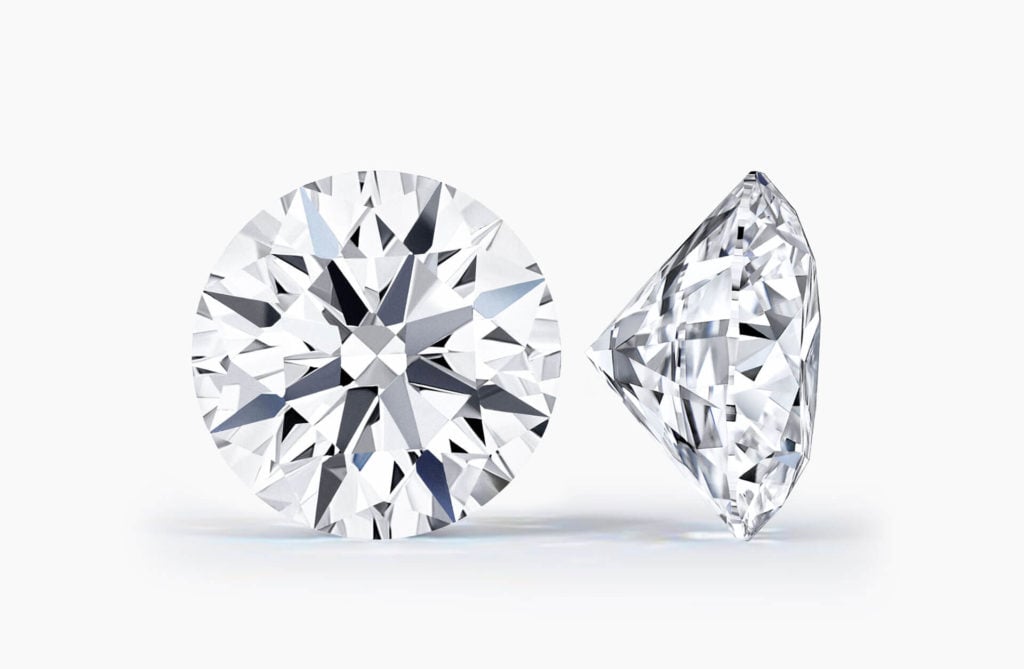
Carat describes weight, not beauty. Cut quality has a major influence on how brightly a diamond reflects light.
When comparing stones, consider the traditional four Cs:
Cut
A well-cut diamond usually appears lively and bright because its proportions help return light toward the viewer.
Color
Colorless grades generally cost more, although slightly warmer diamonds can still appear attractive once mounted in yellow or rose gold.
Clarity
Many small inclusions cannot be seen without magnification. Choosing an eye-clean stone can often provide better value than paying extra for extremely high clarity.
Carat
Think about how the stone looks rather than focusing only on its weight. Shape and setting can make diamonds of similar weight appear different in size.
Lab diamonds can also be worth comparing when maximizing visible size or quality within a set budget.
Match the Diamond Necklace to the Right Setting
The setting affects appearance, security, and maintenance.
Prong settings expose more of the stone and can create excellent sparkle. Bezel settings surround the diamond with metal, offering greater protection and a smooth modern appearance.
For jewelry worn frequently, inspect how securely the diamond is mounted. A beautiful design offers little value if weak prongs or poor construction make the stone vulnerable to loss.
Consider Chain Length and Metal Choice
Chain length changes where the pendant rests and how easily it layers with other jewelry. Common lengths around 16 to 18 inches typically sit near the collarbone, while longer chains create a lower visual focal point.
Metal also changes the overall appearance. White gold and platinum offer a cool finish, while yellow and rose gold create warmer contrast.
Durability should matter as much as appearance, especially for jewelry intended for regular wear.
Check Certification Before Buying a Diamond Necklace
For significant purchases, ask whether the main stone has an independent grading report. A grading report can document characteristics such as cut, color, clarity, measurements, and carat weight.
This becomes especially useful when comparing similarly priced pieces.
Certification can also help buyers evaluate lab diamonds using clearly stated specifications rather than relying only on photographs or sales descriptions.
FAQ
What diamond shape works best for a necklace?
Round diamonds are popular for brilliance, but oval, pear, emerald, cushion, and princess cuts can all work beautifully depending on personal style.
What chain length is best for everyday wear?
A 16- to 18-inch chain is a common choice because it sits near the collarbone and pairs easily with many necklines.
Does higher clarity always mean a better purchase?
Not necessarily. If inclusions cannot be seen with the naked eye, paying significantly more for higher clarity may provide little visible difference.
Are laboratory-created diamonds suitable for necklaces?
Yes. They can be used in the same pendant and necklace styles as mined stones and are available across different cuts, colors, clarities, and carat weights.
Final Thoughts on Choosing a Diamond Necklace
A good diamond necklace balances beauty, construction, diamond quality, and price. Pay close attention to cut, setting security, chain quality, and how the piece will actually be worn.
Instead of chasing the highest specification on paper, compare how each option looks and performs in real life. The best purchase is one that delivers visible beauty, dependable craftsmanship, and value you can appreciate every time you wear it.