
White Gold Engagement Rings Sydney Guide
Table of Contents
More Buyers Prefer Lab Made Diamonds
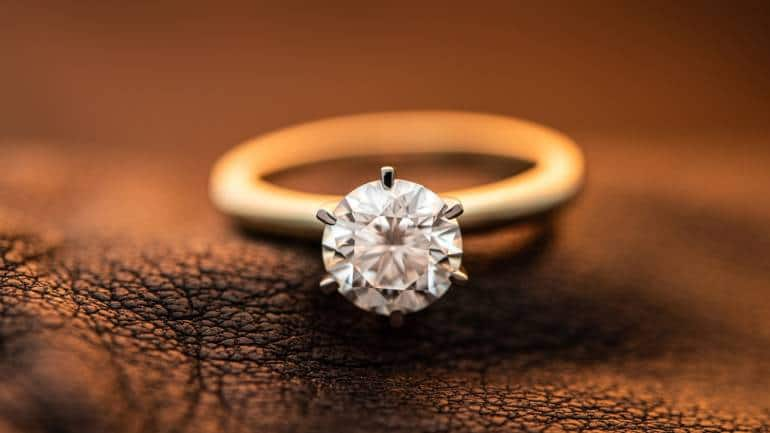
One path once ruled the game when white gold engagement rings Sydney. Pay top dollar for earth-mined rock or go tiny instead. Not anymore. A fresh route now opens up choice – more say on clarity, carat, cash. These lab-born gems shift what happens inside ring stores, boutiques, jewel cases. Out of the ground or out of a machine – they’re still diamonds at their core. What sets them apart? One waits eons beneath rock layers, shaped by nature’s slow hand. The other begins inside high-tech chambers where heat and pressure work fast. Though timeframes differ wildly, both end up identical in makeup, strength, shine. Even experts need tools to tell which came from earth, which from equipment. Most people weigh what they’re really getting. A bigger stone, sometimes better quality too – fits easier into what you’ve set aside.
Lab Created Diamonds Are Real Because They Share The Same Chemical And Physical Properties As Natural Diamonds
Most folks mix up lab grown gems and lab made diamonds. This mix-up? It stems from old-school options such as cubic zirconia or moissanite. These substitutes mimic diamonds but aren’t real ones. In contrast, lab created stones fall into a separate category entirely. Inside, it’s just carbon locked into a familiar atomic pattern found in traditional gems. The way experts judge quality stays identical – cut, clarity, color, carat – all still apply here.
- Cut
- Color
- Clarity
- Carat weight
A trained eye might still miss the clues without the right tools to tell if a diamond came from deep underground or a lab dish. Take two stones weighing exactly the same – one pulled from rock, the other built atom by atom – they could sit next to each other on a gold band looking just alike.
Buyers Focus on Price Because It Signals Value and Risk
For lots of folks, cost kicks off their interest in lab made gems. Mined rocks often carry a much steeper price than those grown in labs. When quality lines up, the savings with lab versions can really add up. This shift in spending opens new paths. Maybe your pick changes when the numbers line up differently
- A larger center stone
- A better cut grade
- A custom ring setting
- A lower overall budget
A ring should feel meaningful, yet not drain the bank. Because here, value balances with practical choices – some shift funds toward travel plans, a house down payment, later needs, letting go of overspending on just one item.
Durability Matters for Everyday Use
Everyday wear calls for tough materials, especially when it comes to rings on fingers. Appearance fades if the stone chips or scratches too soon. A score of 10 on the Mohs scale places diamonds far ahead in toughness. Whether grown underground or made in labs, they share that same strength. Even tough pieces can show wear when life gets busy. Because they’re built strong, everyday bumps usually aren’t a problem. Yet how you treat them matters just as much. Grime builds up slowly, even if you don’t notice it. A knock against metal or stone might leave subtle marks. Over weeks, small things add up in quiet ways. Keeping one step ahead helps avoid surprises later
- Remove it during heavy lifting
- Wipe it down now and then using gentle soap
- Store it separately from other jewelry
- Have the setting checked by a jeweler once a year
What really counts is a solid setting. Though many opt for white gold, some pick platinum instead – each keeps gems fixed without trouble through daily wear. Yellow gold shows up often too, trusted for lasting strength alongside its classic look.
Diamond Quality Shapes How It Looks
Some diamonds seem unique even when they share traits. Though two might weigh the same, their sparkle often differs because of cut. Light behaves differently based on that shape. Brightness jumps out from cuts done right. Dullness creeps in if the shaping misses the mark. Most people get caught up in how big a diamond looks, forgetting about its cut. This choice tends to backfire once they bring it home. When money is tight, let the quality of the cut guide your decision. After that, turn attention toward clarity – then color. A method plenty of jewelry experts follow goes like this:
- Excellent or ideal cut
- Near colorless grade
- Eye clean clarity
- Whatever size feels right for how much you want to spend
A tiny flaw hiding inside a gem stays invisible unless you zoom in close. Think of it like this: one size down but sharply shaped beats a bigger rock carved dull.
Popular Ring Styles Right Now
These days, simpler looks win out – jewelry you can wear every day without it screaming for attention. People tend to pick pieces that last beyond trends, skipping anything too big or loud. Settings catching eyes right now? Well…
- Solitaire rings
- Hidden halo settings
- Oval center stones
- Three stone rings
- Thin pavé bands
Bright stones stand out nicely against light-colored bands. That’s why folks eyeing shiny rings in Sydney often study gem choices closely. A smooth silvery finish comes naturally with this alloy, which typically runs cheaper than dense gray metal. Shapes like circles, stretched ovals, and step-cut rectangles pair particularly smoothly.
Questions to Think About Before Buying
Here’s something people often overlook – choosing a diamond, whether online or at a shop, tends to get confusing once terms begin piling up. Straightforward answers help more than long explanations. Focus on these points instead:
- The grading certificate
- The return policy
- The warranty
- The diamond origin
- The setting metal
Reports from groups such as GIA or IGI offer proof about quality. Because a paper breaks down facts clearly, skipping fuzzy terms. Look at the ring where people live, not just under bright shop lights. Since store setups aim to boost shine artificially. When it still catches the eye outside, that often means real worth.
Online Shopping Compared to In Store Purchases
Most people buying diamond rings today head straight to websites, where choices stretch further than stores. With sharp pictures, close-up clips, and proof of quality shown upfront, decisions feel easier. A few sites even set up live chats with experts. Yet others still want their hands on the ring first, needing that real-life moment. Each path brings something useful. Going digital fits best when:
- Just figured out your preferred look
- Want more price comparison options
- Prefer custom design choices
In store shopping works well if you:
- Want to compare rings physically
- Need help understanding diamond quality
- Pick it up right away instead of waiting. Or adjust the size later if needed
Some shoppers mix these approaches today. Online searches come before stepping into a store to complete the deal.
Long Term Value and Expectations
Most folks wonder if man made diamonds keep their worth like natural ones once sold. Selling any diamond back gets tricky pretty fast. After you buy a stone it usually drops in price no matter where it came from. Think of jewelry first as something you enjoy wearing not as a money move. For plenty of people what counts most is how much they love it now and years later. Most folks find a shiny stone they like within reach feels right even if it won’t sell later. Lab gems pull more attention each year particularly from younger shoppers weighing how nice it looks versus what they spend.
Common Questions
Do lab created diamonds look different from mined diamonds?
Wrong. Identical traits, both physical and chemical, match those of natural stones. Only advanced equipment reveals which is which. Most folks see no gap at all.
Are lab created diamonds strong enough for engagement rings?
True. Just like natural diamonds, these hold up well to everyday use because they match in toughness. While one comes from the earth, the other is built in a lab – both stand strong over time.
Can you insure a lab created diamond ring?
True. Most insurers treat lab grown diamond pieces just like natural stone rings when it comes to coverage.