
Lab Diamonds vs Natural Diamonds: The Truth About CVD Diamantes and Their Rising Popularity
Lab diamonds have quickly become one of the most talked-about topics in the jewelry world. As more people look for ethical, affordable, and high-quality alternatives to mined stones, lab-created diamonds are stepping into the spotlight. One term you may come across in this space is CVD diamantes, which refers to diamonds grown using a specific scientific process called Chemical Vapor Deposition.
In this article, we’ll break down what lab diamonds are, how they are made, and why they are becoming so popular. Whether you’re shopping for an engagement ring or just curious, this guide will give you clear and practical insights.
Table of Contents
What Are Lab Diamonds?
Lab diamonds are real diamonds created in a controlled laboratory environment instead of being mined from the earth. Chemically, physically, and optically, they are identical to natural diamonds. The only difference is their origin.
These diamonds are made using advanced technology that replicates the natural conditions under which diamonds form. Because of this, they have the same hardness, brilliance, and sparkle as mined diamonds.
Many buyers today prefer lab-grown options because they are often more affordable and come with fewer environmental and ethical concerns compared to traditional mining.
CVD diamantes and How They Are Made
One of the most important methods used in creating lab diamonds is known as Chemical Vapor Deposition (CVD). Chemical Vapor Deposition This process is behind many modern lab-grown stones, including what are often called CVD diamantes.
In the CVD process, a thin slice of diamond (called a “seed”) is placed inside a sealed chamber. Then, a mixture of carbon-rich gases is introduced. When these gases are heated, carbon atoms begin to bond to the seed layer by layer, slowly forming a full diamond crystal.
This method allows scientists to carefully control the growth process. As a result, they can produce high-quality diamonds with excellent clarity and color.
It’s important to note that CVD diamantes are not “fake” or imitation stones. They are real diamonds grown using advanced science instead of geological pressure deep inside the Earth.
How Lab Diamonds Compare to Natural Diamonds
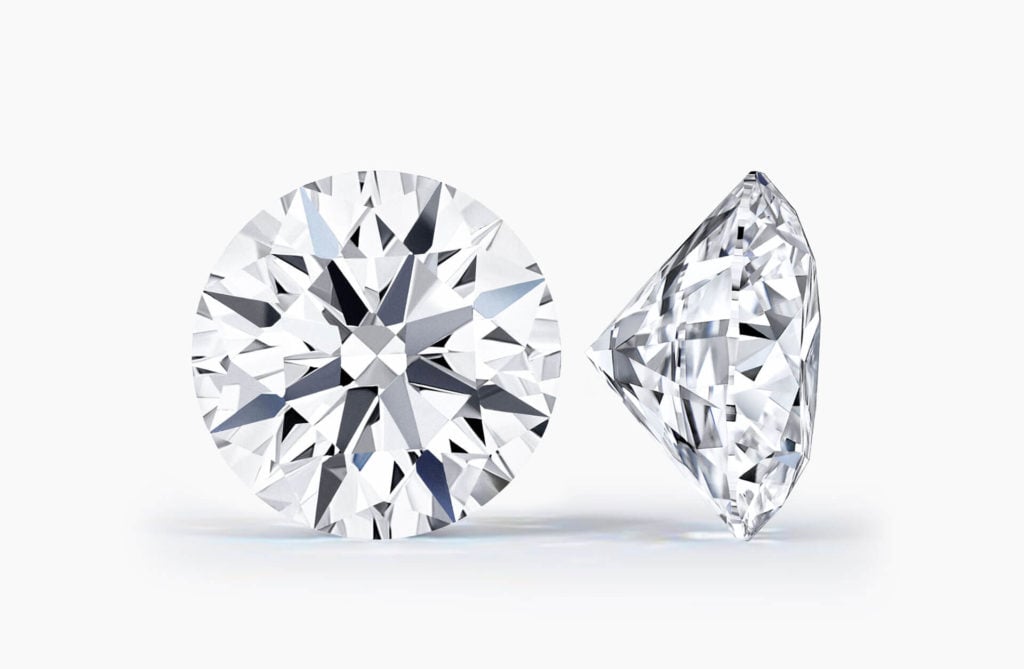
When placed side by side, lab diamonds and natural diamonds look almost identical. Even trained gemologists often need specialized equipment to tell them apart.
Here are some key differences:
- Origin: Natural diamonds form over billions of years underground, while lab diamonds are created in weeks or months.
- Price: Lab diamonds are usually 30–70% less expensive.
- Environmental impact: Lab diamonds generally require less land disruption and fewer mining activities.
- Availability: Lab diamonds can be produced in a wider range of sizes and qualities.
Despite these differences, both types share the same crystal structure and sparkle. That’s why many experts say lab diamonds are one of the biggest innovations in the modern jewelry industry.
Some traditional diamond companies, including De Beers Group, still focus heavily on mined stones, but the market for lab-grown diamonds continues to grow rapidly.
Benefits of Choosing Lab Diamonds
There are several reasons why lab diamonds have become so popular in recent years.
1. More Affordable Luxury
One of the biggest advantages is price. Because lab diamonds do not require mining, transportation from remote locations, or large extraction operations, they are typically much cheaper than natural diamonds of similar quality.
This means buyers can often choose a larger or higher-quality stone within the same budget.
2. Ethical and Transparent
Many consumers are concerned about the environmental and ethical issues tied to diamond mining. Lab diamonds offer a more transparent supply chain, which makes them appealing to socially conscious buyers.
3. High Quality and Consistency
Since lab diamonds are created in controlled environments, scientists can closely monitor their growth. This leads to fewer impurities and more consistent quality in many cases.
Interestingly, many of the world’s most stunning modern gems are now lab-created, including CVD diamantes, which are known for their precision growth process.
4. Environmentally Friendly Option
While no industrial process is completely impact-free, lab diamond production generally uses less land and avoids large-scale excavation. This makes them a more environmentally conscious choice for many buyers.
Are Lab Diamonds Real Diamonds?
This is one of the most common questions people ask, and the answer is simple: yes.
Lab diamonds are not simulants like cubic zirconia or glass. They are real diamonds with the same chemical composition (pure carbon arranged in a crystal structure). The only difference is how they are formed.
Because of this, they are graded using the same standards as natural diamonds, including the famous “4 Cs”:
- Cut
- Color
- Clarity
- Carat weight
Whether natural or lab-grown, a diamond’s beauty still depends on these characteristics.
CVD diamantes in Modern Jewelry Trends
In today’s jewelry market, CVD diamantes have become especially popular among younger buyers. Many people appreciate the combination of science, sustainability, and affordability that these diamonds offer.
Jewelry designers are also embracing lab-grown stones because they allow more creative freedom. Larger stones, unique cuts, and high-clarity diamonds are more accessible, which opens the door for more personalized designs.
As awareness grows, more retailers are offering lab-grown options alongside natural diamonds, giving customers more choice than ever before.
The Future of Lab Diamonds
The future of lab diamonds looks strong. As technology improves, production methods are becoming more efficient and refined. This means better quality stones at even more competitive prices.
At the same time, consumer preferences are shifting. People are more interested in sustainability, transparency, and value than ever before. These trends are likely to push lab diamonds further into the mainstream.
The term CVD diamantes may become even more familiar as buyers learn more about how these stones are created and why they are so widely used in modern jewelry production.
Conclusion
Lab diamonds have changed the way people think about fine jewelry. They offer the same beauty and durability as natural diamonds, but with added benefits like affordability and ethical sourcing.
From advanced production methods like Chemical Vapor Deposition to the growing popularity of CVD diamantes, the industry continues to evolve quickly. Whether you are buying an engagement ring or simply exploring options, lab diamonds provide a modern and practical choice without sacrificing brilliance or quality.
As awareness continues to grow, lab diamonds are likely to play an even bigger role in the future of jewelry design and consumer choice.